Disclosure: As an Amazon Associate, I earn from qualifying purchases.
My 480 Sq Ft Apartment Is a Smart Home — What Actually Helped
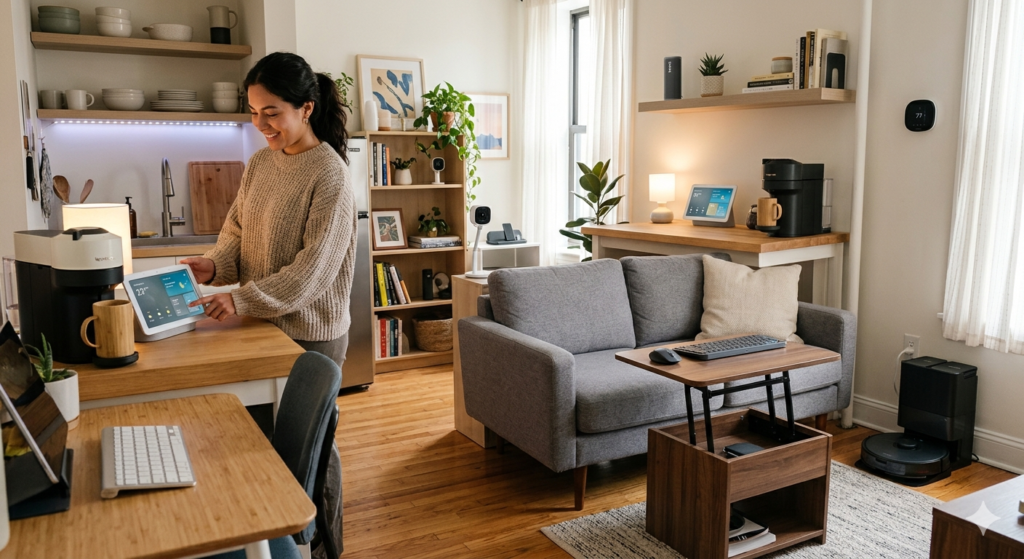
The best smart gadgets for small homes are not just nice to have — they genuinely change how a tiny space feels and functions every single day
And there’s a panic that comes in signing off on a lease for a small apartment, and the realization that you now have to fit in your entire life — along with your partner’s guitar collection and a cat who knocks things off every surface she can reach, for sport — into 480 square feet.
This time, about three years ago that was me. How’s a two-bedroom house in the country compared to that symbolism for life that I wasn’t quite winning: studio-style city accommodation logic?
I had seen those lovely accounts on Instagram — you know, the ones showing amazing “small space” transformations? Floating shelves. Neutral palettes. Zero clutter. What they don’t show you is the nest of power strips and cords they have tangled under their desks, the multiple remote controls for devices that can barely inter-operate together, the lamp you trip over every goddamn time you get up to go to the bathroom at night.
That’s when I started taking smart gadgets seriously — not as a luxury but as a real problem solver. And after much trial and error and one purchase I truly regret (more on that later), I figured out which ones actually earn their square footage.
Why Smart Tech Really Works Best in Small Homes
Here’s what most articles get wrong: small spaces actually benefit *more* from smart gadgets than large homes.
In a large house you have physical space to work around inconveniences. In a 480 sq ft flat, every inefficiency is staring you in the face. The corner is the corner. A cluttered corner IS the corner. A loud air purifier is always too close to your bed. One bad gadget purchase wastes not only money but also precious physical space.But then, when do smart gadgets work well in a small home? The whole place gets levelled up. Voice- or schedule-reactive lights, energy-tracking outlets, plugs that shut off the coffee maker you certainly forgot about — these things really change your day-to-day rhythm.
Let me take you through what is really worth it.
Table of Contents
ToggleGadgets That Are Actually Worth It
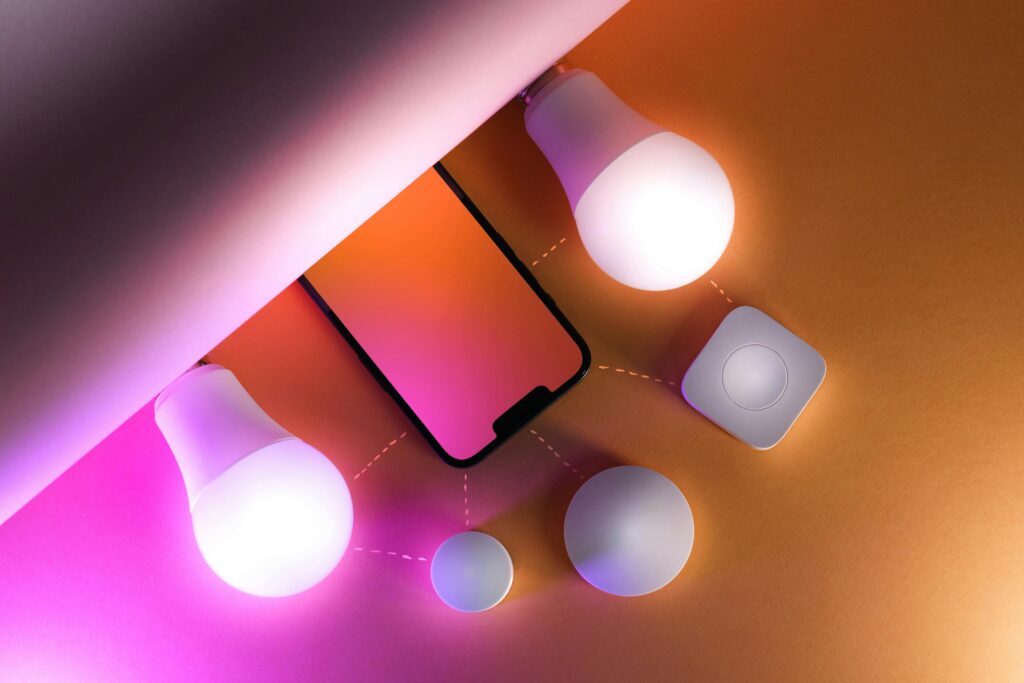
1. Smart LED Bulbs (The One I Tell Everyone To Start With)
Begin here. Always begin here.
I went with **Philips Hue** for the main living area and honestly I was sceptical of the price. But the ability to switch from cool white light when I’m working to warm amber in the evenings has had a bigger impact on how relaxed
I feel more at home than I expected.
Light does a lot of heavy lifting in a small package. You can’t tear down a wall or add on a room, but you *can* make it feel bigger, cosier or more energising, depending on the time of day.
A more affordable entry point? If you’re not ready to jump into the Hue ecosystem, then **LIFX** or **Govee** bulbs are good choices. Govee, for example, has solid colour options and app control for less than $15 a bulb.
**Tip from practice:**
Have a “morning” scene that slowly brightens to wake you up, and a “evening” scene that automatically dims everything to 30% at 8pm. After day three you will stop overthinking it.
2. Smart Plug ($15 You Will Spend and Not Regret)
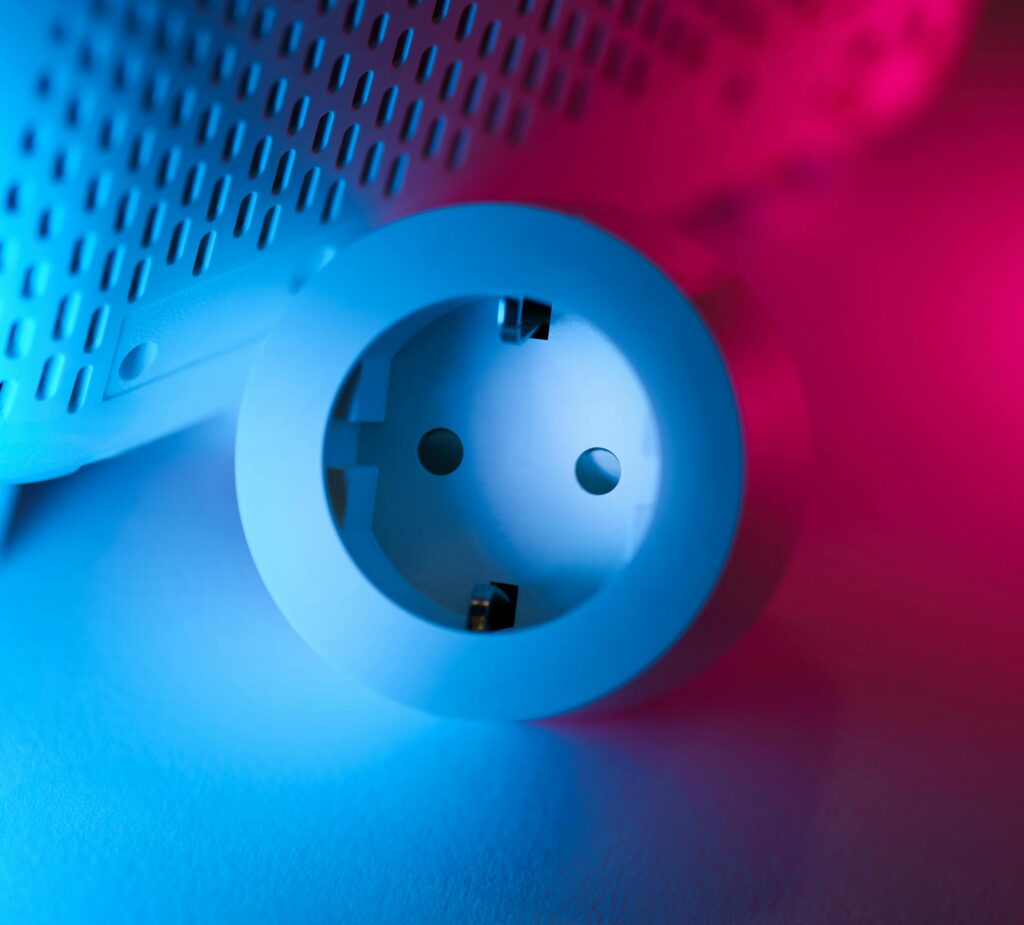
I know. A smart plug is boring. But let me tell you.
The **Kasa Smart Plug Mini (EP25)** is small enough not to block a second outlet, and it does three things that really matter in a small home:
• Energy monitoring
— I learned that my old space heater was costing me an additional $40/month. Just… silently eating electricity.
• Scheduling
— My coffee maker turns on at 7:10 AM every day. I haven’t pressed the button in two years.
• Remote control
— I leave and forget to turn off the curling iron, I check the app. Done.
I now have four of these around the flat. They’ve more than paid for themselves
3. A Robot Vacuum (This one has had the biggest impact on my life)
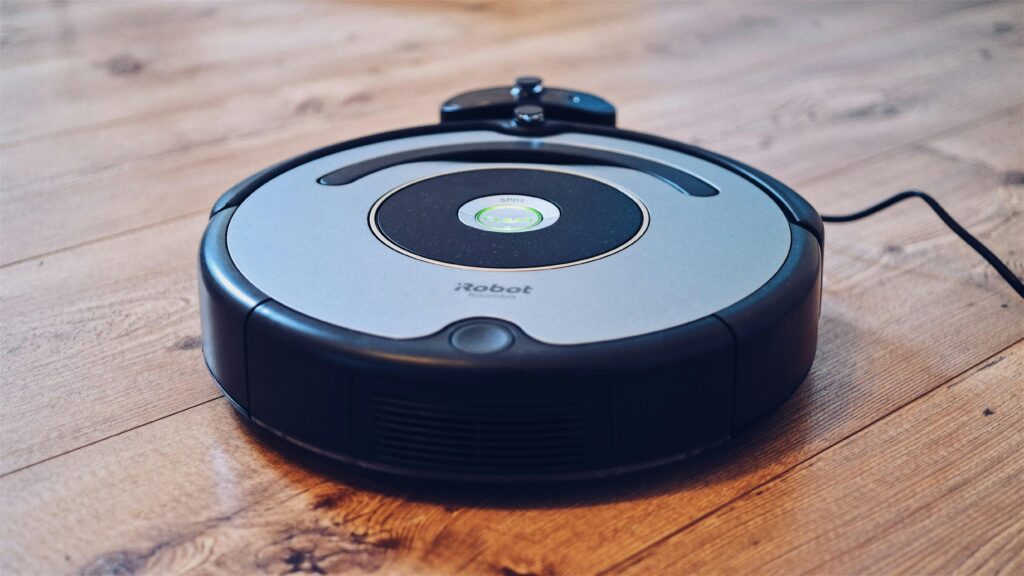
I fought this one way too long because I said ‘My place is small, I can just hoover it myself.’
Got it. But you won’t. Not always.
The **Eufy RoboVac 11S** is nearly flat enough to go under furniture, quiet and about $150. But for a small space, you don’t need the $500 models with AI mapping and self-emptying bins. The most basic ones easily handle studios and one-bedrooms.
I have it programmed for every morning at 10am while I’m at work. The floor is literally always clean now. It matters more than I can say in a small flat where dust and pet hair are always on view.
The mistake I almost made: buying one of those mop-vacuum combo units. Great on paper. In practice they’re clunky, the mopping is mediocre and they get stuck on transition strips all the time. Get a dedicated vacuumbot. If you want a mop, buy another.
—
4. Smart Speaker (Stick to One Ecosystem)
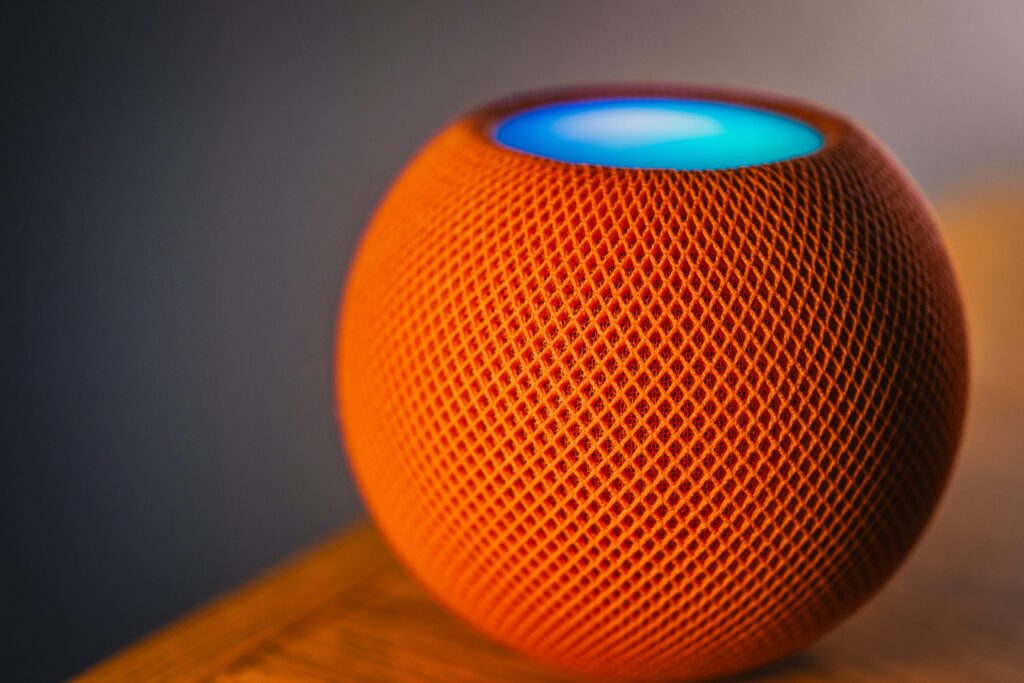
The **Amazon Echo Dot (5th Gen)** or the **Google Nest Mini** — either is fine, but pick one and stick with it.
This is where the heart of your small home experience will be. You set timers when you cook, you ask about the weather when you get dressed, you control your lights and plugs by voice – it sounds like a small thing, but in a small space where everything is close together, voice control means you stop physically interacting with five different apps.
One thing I learned the hard way is to not buy both Alexa and Google devices. I thought I was being flexible. I just ended up with two devices talking to each other sometimes, and a house that felt chaotic rather than smart.
5. Smart Thermostat or Smart AC Controls
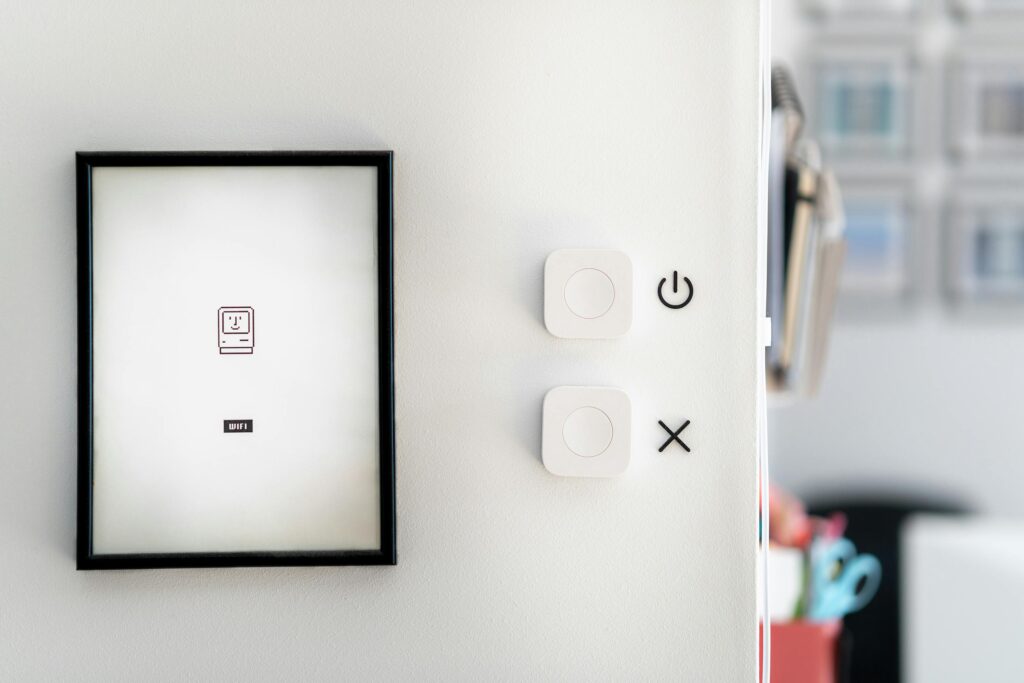
If you have central HVAC, the **Google Nest Thermostat** (the basic one, not the Learning one) is a great option. Nice design, makes schedules based on when you are actually home, about $130.
If you’re in an apartment with a window AC (like I was) get the **Cielo Breez Plus**. It’s a little IR blaster that mounts near your unit and makes any AC “smart” – scheduling, remote control, temperature automation
Game-changer for renters who can’t install a Nest.
A 2 degree change in temperature is noticeable in a confined space. You turn off the AC on full blast and remember to turn it off. Energy bill gets smaller. Comfort increases.
6. Smart Display for Kitchen
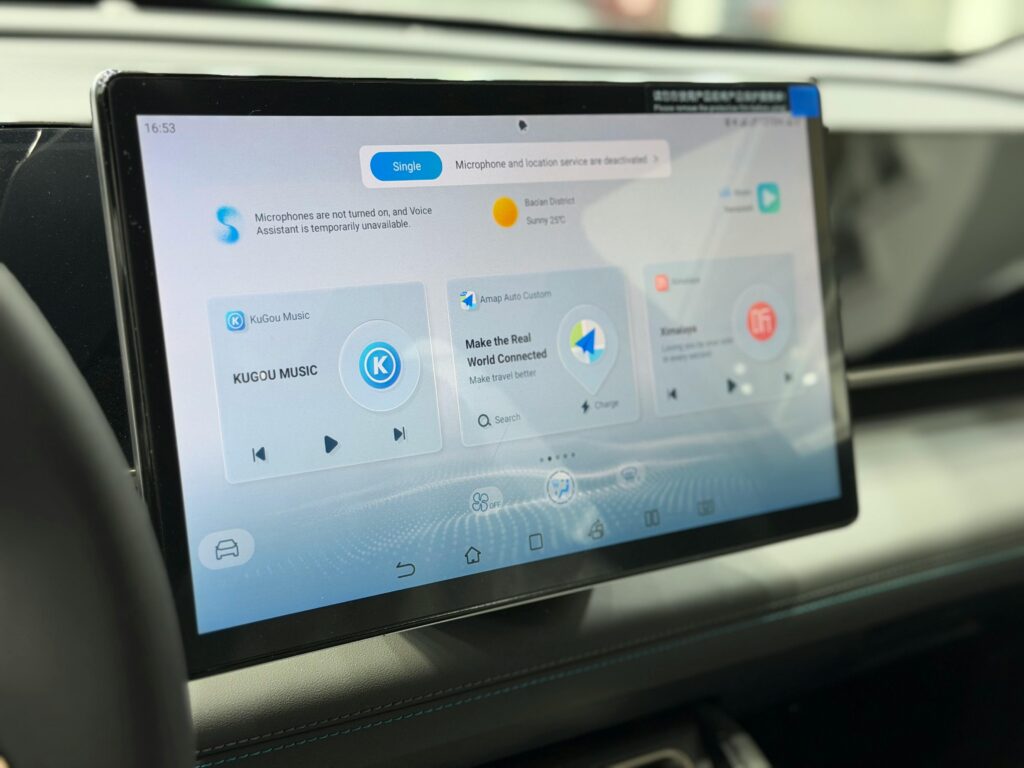
The footprint of the **Amazon Echo Show 5** or the **Google Nest Hub (2nd Gen)** is 5×5 inches, so it will easily find a place on your kitchen counter.
You can see the timer across the room, on the screen. Recipe cards shown during cooking. A glanceable view of your calendar and weather. Face time with family.
Honestly, I use mine for a clock most of the time. But having everything glanceable, without picking up my phone and going down a 30 min
scroll hole — has been really good for my focus.
7. Smart Door Lock (Perfect for Small Apartments)
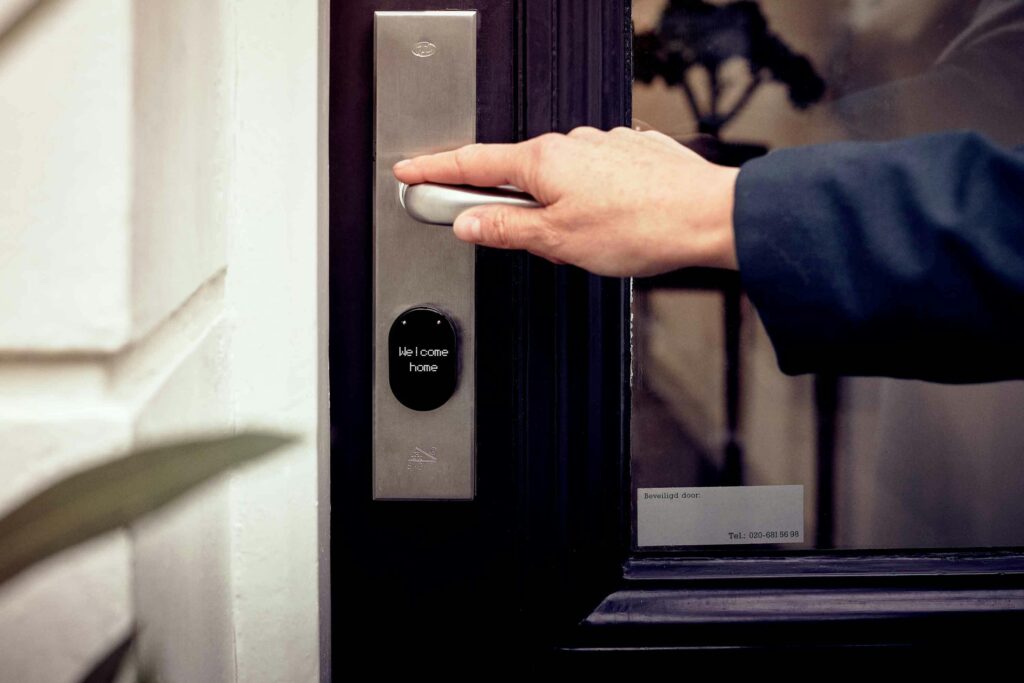
You can ditch the physical key entirely with the **Schlage Encode** or the **Yale Assure Lock 2**.
What’s the point of this in tight quarters? Because in a small apartment, “Where are my keys?” is a real, constant crisis. Then you don’t have that problem anymore with a keypad lock. Guests receive a temporary code. You don’t lock yourself out.
There is no subscription needed for basic use, once installed and it really does feel satisfying every single time you walk in.
The One I Wish I hadn’t bought
The **smart mirror** stuff. I bet you’ve seen them. Built-in display shows your calendar and weather while you get ready.

Sounds unreal. Reality: it was heavy, the software was clunky, it needed its own outlet behind my bathroom mirror (hello, renovation I didn’t want to do), and after three weeks I was just looking at my reflection with a slightly-too-bright news ticker in the corner.
Sold. Bought 2 more smart plugs No regrets.
The lesson: if a gadget requires you to change your behaviour to fit it, rather than vice versa, it probably will no## Typical Mistakes to Steer Clear Of
Comparison Table
💡 Smart Lighting
Wipro 9-Watt B22 WiFi Smart LED Bulb
Features: Music Sync, WiFi Control
🔌 Smart Plug
Wipro 16A Wi-Fi Smart Plug
Features: Energy Monitoring, Timer
🤖 Robot Vacuum
ILIFE T20s Pro Robot Vacuum Cleaner
Features: LiDAR Navigation, Self-Emptying
🔊 Smart Speaker
Smart Speaker with Motion Detection
Features: Smart Sound, Motion Detection
Common Mistakes to Avoid
Buying everything at once.
You’ll have unused gadgets and a tech graveyard in your house. Begin with smart bulbs and a smart plug. Then add from there when you actually feel what is missing.
Reckless mixing of ecosystems.
Alexa, Google Home and HomeKit all work with many of the same devices, but not all of them. Start by picking an ecosystem and buying devices that work with it. Saves a lot of ‘why isn’t this working’ headaches
About your router.
Your Wi-Fi is the lifeblood of your smart gadgets. If you have an older router, you’ll find that a surprising number of random “my device went offline” problems disappear when you upgrade to something like the **TP-Link Deco** mesh system In a little
If you are talking about your home you just need one node and it will cover everything.
Too much automation. Not everything needs to be smart. My bookshelf lamp doesn’t need to talk to my phone. Some things it’s okay to be stupid.
Building Out Over Time
If you’re starting from scratch, here’s the order I would recommend:
1. **Smart bulbs** in the main living space (1-2 weeks of use will tell you if you want more)
2. A smart plug or two on your most-used appliances
3. **Robot vacuum** if cleaning is your biggest pain point
4. **Smart speaker** to unite voice control
5. **Smart thermostat or AC regulator**
6. **Smart lock** After you do what the other stuff does
What will you pay for all that setup if you get decent models on sale? Between $250-$400 will be enough to equip your home smartly. This sum is cheaper than your monthly payment on a car, but will completely change your household forever.
Internal Links
Best Smart Home Gadgets for Modern Living (2026)
Best Home Decor Items for India in 2026 (Budget)
Best Smart Kitchen Gadgets of 2026
Just One More Thing to Consider
Your goal should not be to build a sci-fi house that would impress your guests. Your aim should be to eliminate friction in your household routine.
A small house works against you to a certain extent — a lack of space, less soundproofing, less possibility to hide anything. But precisely because it is compact, every gadget installed there makes more impact.
When you have light exactly as you like it, the floor is vacuumed automatically, coffee is ready for you when you wake up, and keys do not disappear anymore — living in a 480 square foot apartment stops being annoying. It becomes comfortable.
That is what makes such appliances really worthy.