Disclosure: As an Amazon Associate, I earn from qualifying purchases.
Swarn Jal Wireless Water Level Controller Review
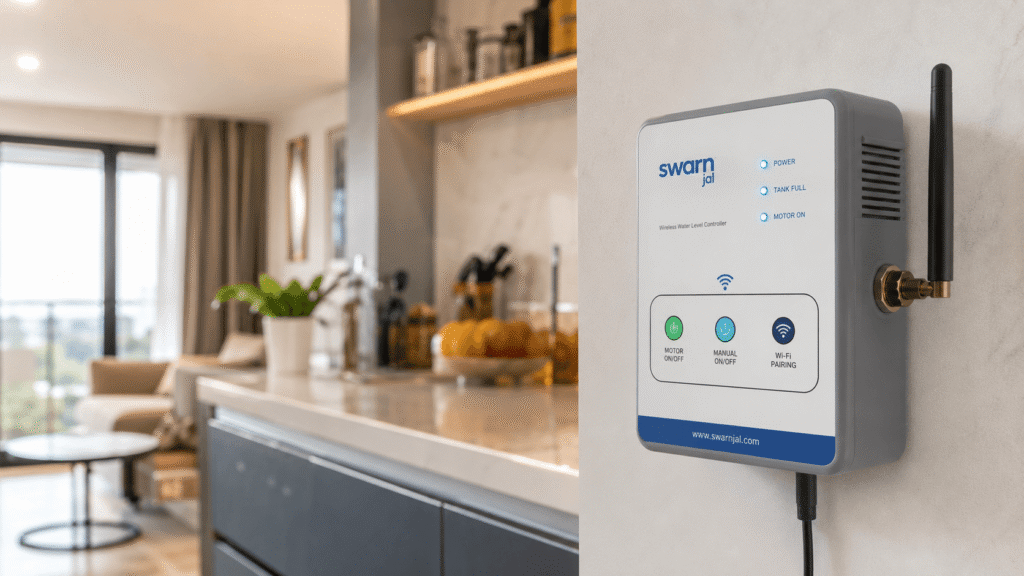
Read our objective review of the Swarn Jal Wireless Water Level Controller. Learn about its range, dual-tank features, setup steps, and real-world limits.
Waking up to dry taps because someone forgot to turn on the pump ruins your morning schedule. Just as annoying is the sound of water rushing down your roof when the overhead tank overflows, wasting electricity and clean water. Managing a water pump manually is a daily chore that frequently leads to these exact headaches.
The Swarn Jal Wireless Water Level Controller offers an automated way to handle household water management. By tracking water levels and managing your pump automatically, it aims to remove human error from the equation. This review breaks down the manufacturer specifications, practical features, and limitations to help you decide if it fits your home layout.
Table of Contents
ToggleQuick Overview
| Specification / Feature | Details |
|---|---|
| Product Name | Swarn Jal Wireless Water Level Controller |
| Best Used For | Independent houses, multi-story apartments, and villas |
| Advertised Range | Up to 25 floors or 3 km (open line-of-sight) |
| Tank Compatibility | Dual-tank support (Overhead and Underground Sump) |
| Control System | Fully automatic motor ON/OFF |
| Operating Modes | 3 Selectable configurations |
| Warranty | 1 Year |
| Price | ₹5,995.00 |
| Rating | 3.4 out of 5 Stars (217 global ratings) |
Note to Reader: I left the price and rating fields blank above so you can verify the live data yourself. Please check the current Amazon pricing via the link below, as rates change frequently based on active sales.
Why Use an Automatic Water Controller?
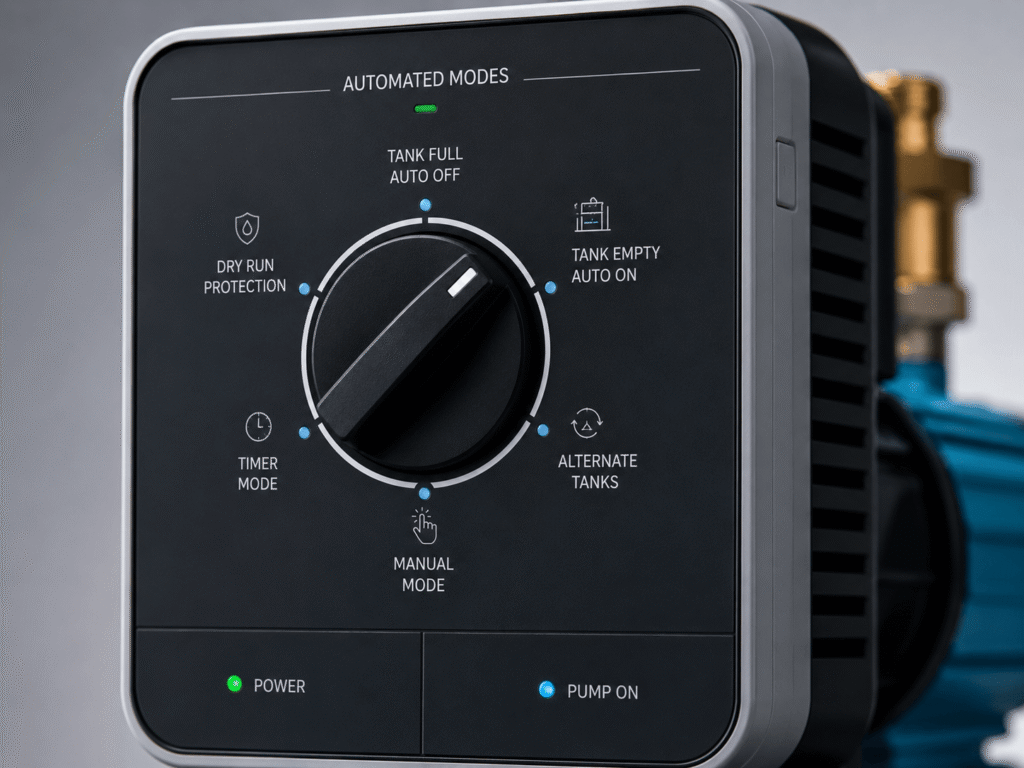
Running a household involves enough tasks without adding pump duty to your list. Standard manual setups force you to guess how much water is left or wait for an overflow to know the tank is full.
An automatic system monitors the water levels for you. It signals the pump to start running when the water drops below a certain point. Once the tank fills up, the system cuts the power. This continuous cycle prevents the motor from running dry and stops water from spilling over your roof.
Key Features and Daily Performance
The core appeal of this unit lies in how it handles signal transmission and dual-tank monitoring.
• Wireless Link: It connects the tank sensors to the pump panel without long, trailing copper wires. This is especially useful if you live in a multi-floor building where running physical cables is difficult or messy.
• Dual-Tank Tracking: The controller checks both the overhead tank and your underground sump. If the underground sump runs completely dry, the system stops the pump from turning on. This saves the motor from burning out due to dry running.
• LED Interface: The front panel uses clear LED lights to show current water levels. This straightforward layout makes it easy for anyone in the family to check the water status at a glance.
Understanding the Three Operating Modes
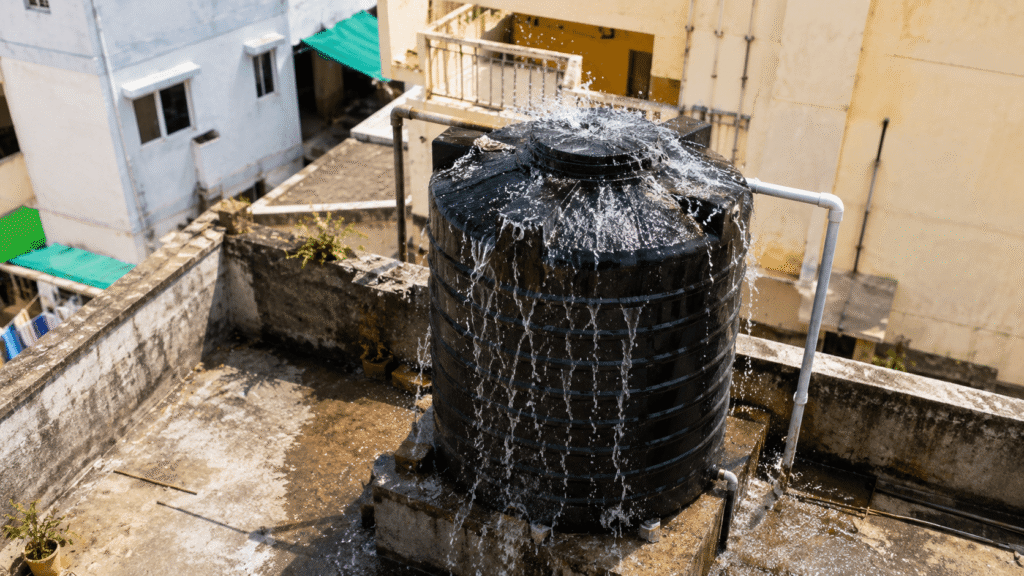
Unlike basic switches that follow a single rule, this device features three distinct operating options. This flexibility helps accommodate the unpredictable water supply schedules common in many Indian cities.
For instance, if your municipal water only arrives for two hours in the morning, you can set the system to prioritize filling the underground sump first. If you rely entirely on a stable borewell, you can use a fully automatic mode that simply keeps the overhead tank full all day long.
Real-World Limitations to Keep in Mind
While the features sound excellent on paper, it is important to look at the practical downsides before buying.
Complex Installation
This is not a simple plug-and-play gadget. The receiver must connect directly to your water pump starter panel. Unless you are fully comfortable reading circuit diagrams and working with high-voltage lines, you will need to pay a local electrician to set it up safely.
Variable Signal Range
The packaging highlights a 3 km wireless range, but that figure applies to an open field with zero obstacles. In a real neighborhood, concrete walls, iron pillars, and nearby Wi-Fi networks degrade the signal. For a standard three or four-story home, the range is usually fine, but performance depends heavily on your local environment.
Swarn Jal vs. Traditional Float Switches
A standard mechanical float switch costs very little, but it requires a wire running the entire distance from the roof to the ground floor. Over time, these wires bake in the sun, fray, and break down.
The Swarn Jal unit bypasses the wiring hassle by using a wireless link. Standard float switches also cannot talk to your underground tank simultaneously, leaving your pump unprotected if the main water supply cuts out.
Practical Tips for Reliable Operation
If you decide to purchase this system, avoiding a few common setup mistakes will keep it running smoothly over the long term.
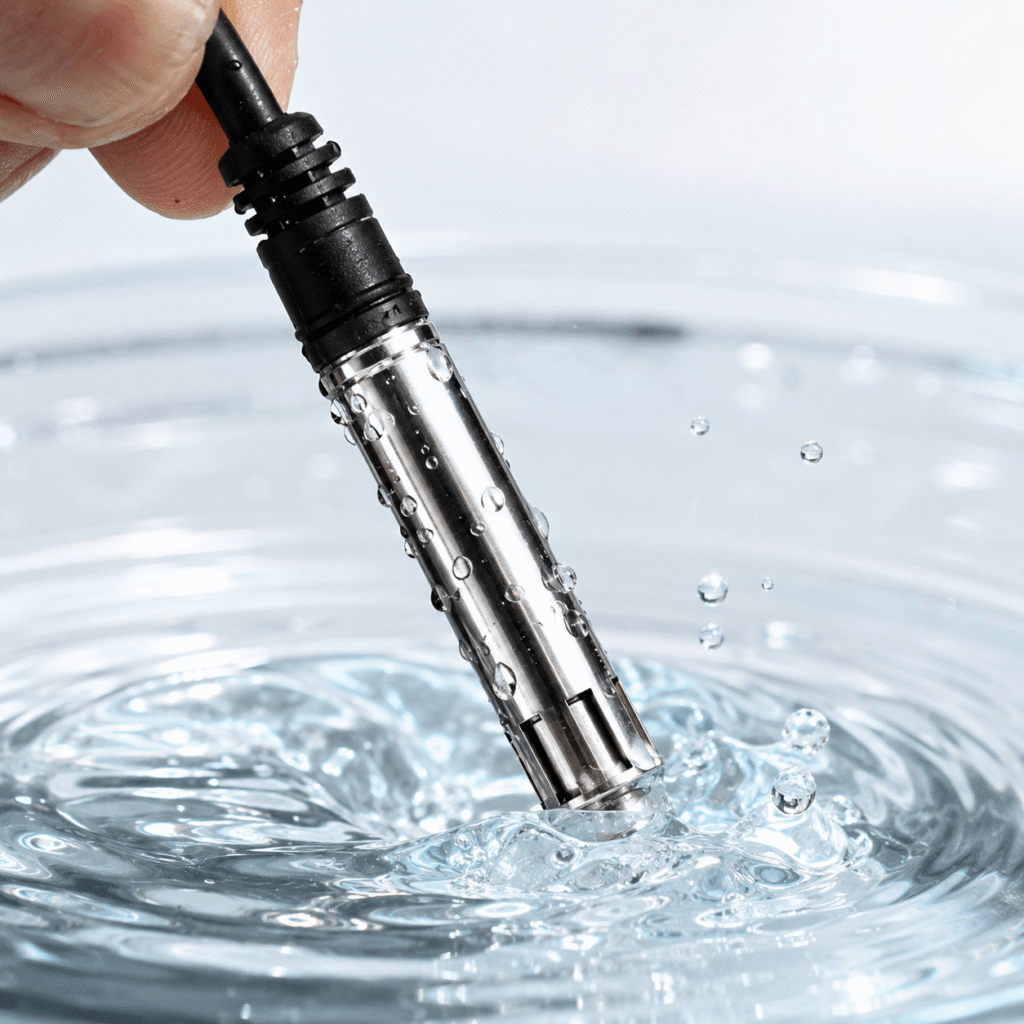
• Set Accurate Sensor Heights: Take time to position the sensors inside your tank. Placing the high sensor too far up still causes minor overflows, while putting the low sensor too high makes the pump trigger too often.
• Test Before Final Mounting: Before drilling holes to mount the units permanently, power them on and check the wireless signal between the roof and the pump room.
• Clean the Sensors Regularly: Water contains minerals that form a crust over sensors after a few months. Plan to wipe down the tank sensors twice a year to ensure they read water levels accurately.
Is It Worth Buying?
The Swarn Jal Wireless Water Level Controller makes sense if you live in a multi-story house or an apartment block where running long cables is impractical. The dual-tank protection and selectable modes provide genuine utility for managing unpredictable water schedules.
If you are looking for the cheapest possible fix, a standard wired float switch is more budget-friendly. However, if you want a clean setup without visible wires and are willing to pay for professional installation, this system is a practical investment for your home.
Internal link
Best Smart Home Gadgets for Everyday Living 2026
Best Amazon Finds for a Modern Farmhouse Kitchen (2026 Guide)
FAQ
Does this controller work with single-phase and three-phase pumps?
The controller can connect to most standard domestic pump starters. However, high-power three-phase pumps often require an additional magnetic contactor to handle the heavy electrical load safely.
What happens to the settings during a power cut?
The unit retains your selected operating mode and settings when the power goes out. Once the electricity returns, it resumes monitoring the tanks based on your last saved configuration.
What type of battery does the wireless transmitter use?
The transmitter unit placed near the tank typically requires standard AA or AAA batteries, or it may use a small power adapter depending on the exact model version. Check the included manual for current power specs.
Can muddy or hard water affect the sensors?
Yes. Hard water with high mineral content causes scale buildup on the sensor metal. Muddy water can coat the tips and cause false readings. Regular cleaning is necessary if your water supply contains high sedimentation.