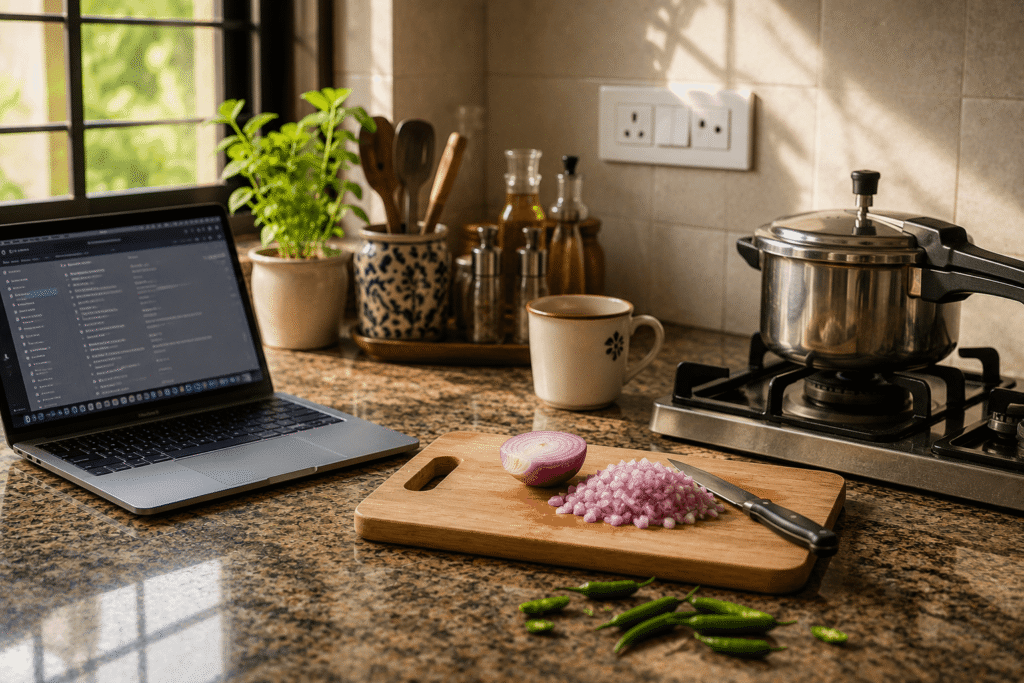
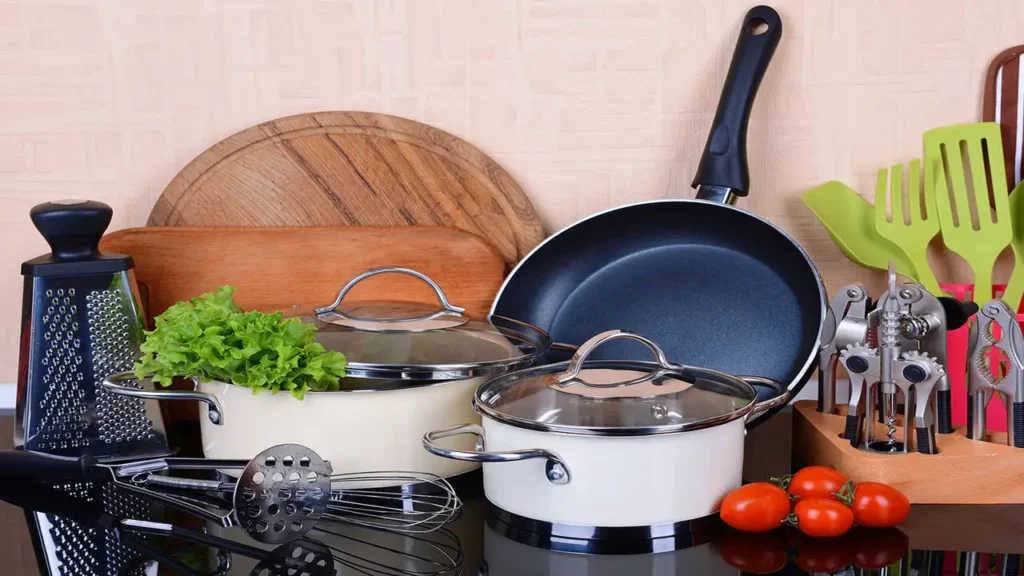
10 Kitchen Organization Hacks That Actually Work (Easy Tips That Save Time & Space)
As an Amazon Associate, I earn from qualifying purchases.
You start making dinner, set the pot to simmer, and suddenly need a vegetable peeler. You open the main drawer and dig through three wooden spoons, two wire whisks, and a garlic press. By the time you find what you need, your sauce is sticking to the bottom of the pan.
Messy kitchens waste time and turn basic cooking into a frustrating chore. Most people try to fix this by buying large organizer sets, but those often crowd your cabinets even more.
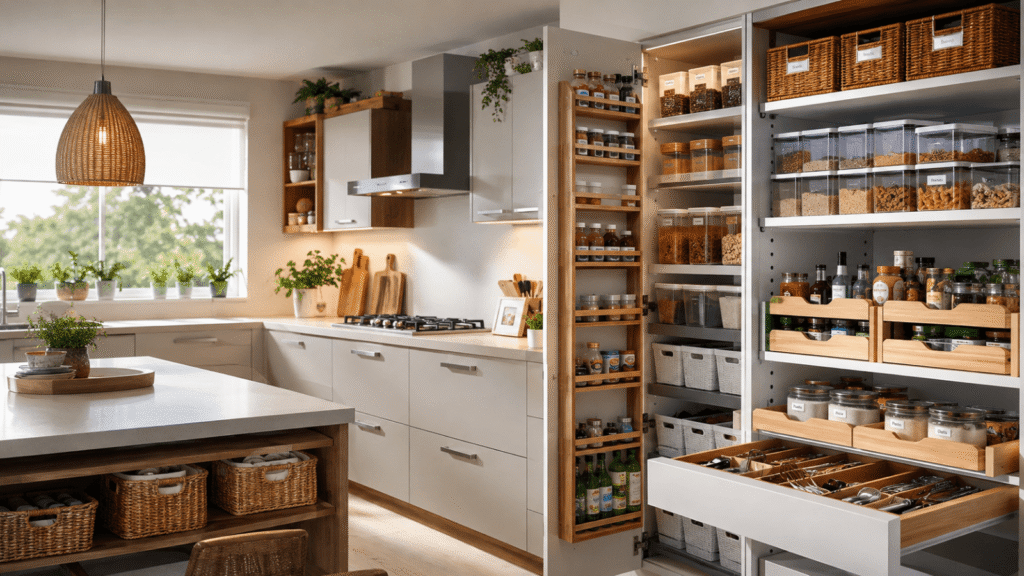
Organizing a kitchen works best when you focus on accessible layout over fancy decor. Here are ten practical strategies that reduce clutter and keep everyday items within easy reach.
Table of Contents
ToggleWhy Many Kitchen Organizers Fall Short
Boutique storage bins look great in home styling videos, but they don’t always fit real life. Standard kitchen cabinets vary in height and depth. Oversized plastic bins waste precious shelf area and limit what you can store.
Effective systems focus on visibility and ease of access. If putting a frying pan away takes three steps, items end up left on the counter. The goal is to build a setup that takes minimal effort to maintain daily.
10 Useful Kitchen Organization Hacks
1. Switch to Clear Dry-Food Containers

Bagged grains, pasta, and spices pile up quickly. When dry goods stay in original store packaging, you end up opening three identical bags just to see how much rice you have left.
Clear, glass or BPA-free plastic jars show inventory at a glance. They also seal tightly, which keeps ingredients fresh and deters pantry pests.
2. Add Shelf Risers inside Cabinets
Most cabinet shelves have eight to ten inches of unused vertical space above shorter items like mugs, small bowls, and canned goods.
- Best for: Rental homes, deep cupboards, and small apartment kitchens.
- Practical setup: Place wire or wooden risers inside shelves to hold plates on the bottom tier and smaller saucers or bowls above them.
- The main benefit: You can pull out a dinner plate without unstacking a heavy pile of dishes every time.
3. Use Adjustable Drawer Dividers
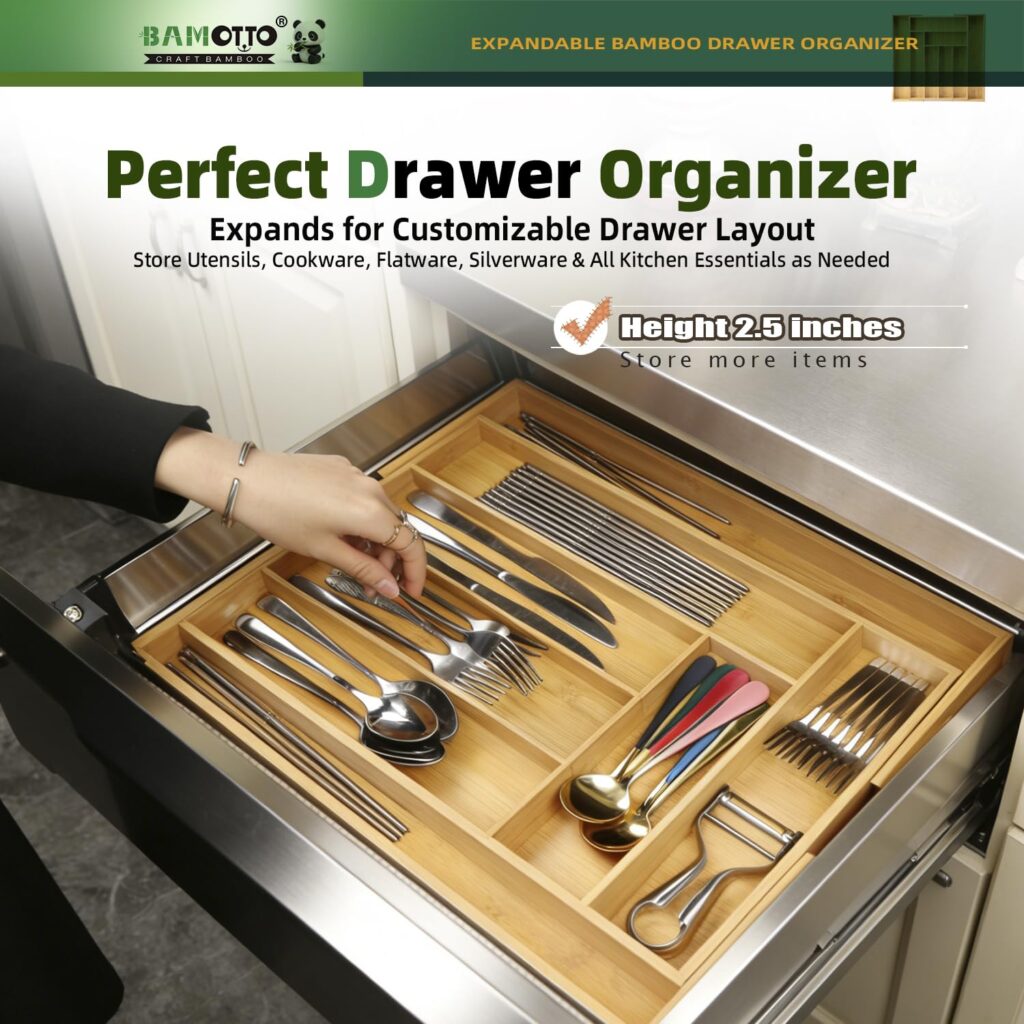
Throwing every cooking spoon, ladle, and spatula into one deep drawer creates chaos. Adjustable bamboo or plastic dividers create tailored sections for distinct tools.
Assign one lane for cutlery, one for prep tools, and another for measuring spoons. Keeping items separated prevents drawers from jamming when pulled open.
4. Create an Active Prep Zone Near the Stove
Walking across the room for cooking oil or salt slows down prep work. Store your daily essentials within arm’s reach of your primary cooking station.
Keep a small tray next to the stovetop with high-heat cooking oil, salt, black pepper, and your most-used spatula. Everything else can stay inside pantry cabinets.
5. Put Turntables in Corner Cabinets
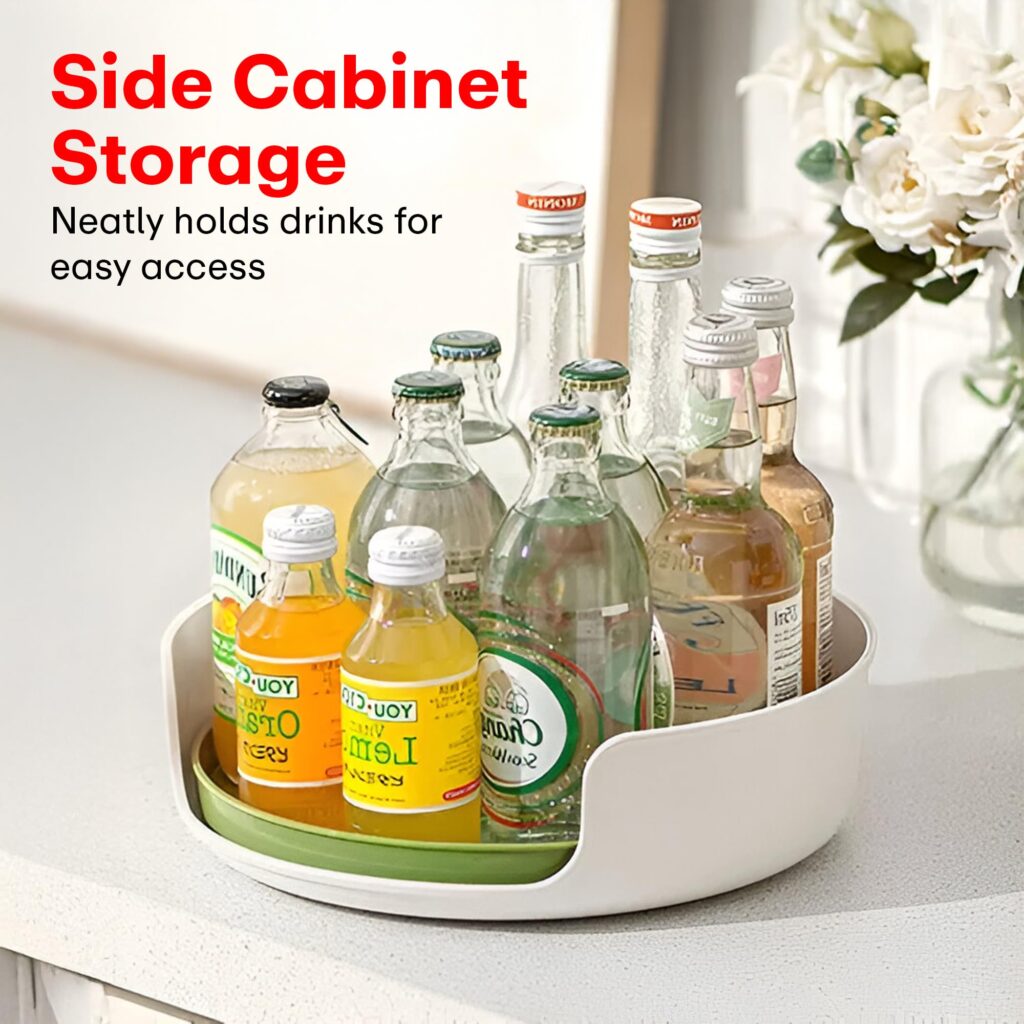
Deep corner cupboards are notorious for lost items. Condiment bottles slide to the back wall and get forgotten until well past their expiration dates.
A simple single or double-tier turntable (Lazy Susan) keeps everything accessible. Spin the platform to grab vinegar, hot sauce, or spices without shuffling items around.
6. Hang Hooks on the Inside of Cabinet Doors
Cabinet door interiors offer valuable vertical storage that usually goes unused.
Stick heavy-duty adhesive hooks onto the inside of lower cabinet doors. Use them to hang lightweight items like measuring spoons, pot holders, or microfiber cleaning cloths. Always test door clearance before hanging bulky items.
7. Label Storage Bins and Pantry Jars
Labels might feel like an extra step, but they keep family members on the same page. When every bin has a clear label, household members know exactly where items belong.
Waterproof, wipeable labels work best for jars that need periodic washing.
8. Clear Out Unused Gadgets Quarterly
No organizer can fix a kitchen filled with unnecessary items. Specialized appliances like egg cookers, cherry pitters, or old blender attachments take up prime drawer space.
Every three months, review your drawers. If you haven’t used a tool in six months, consider selling or donating it to free up cabinet room.
9. Use Stackable Mesh or Wire Baskets
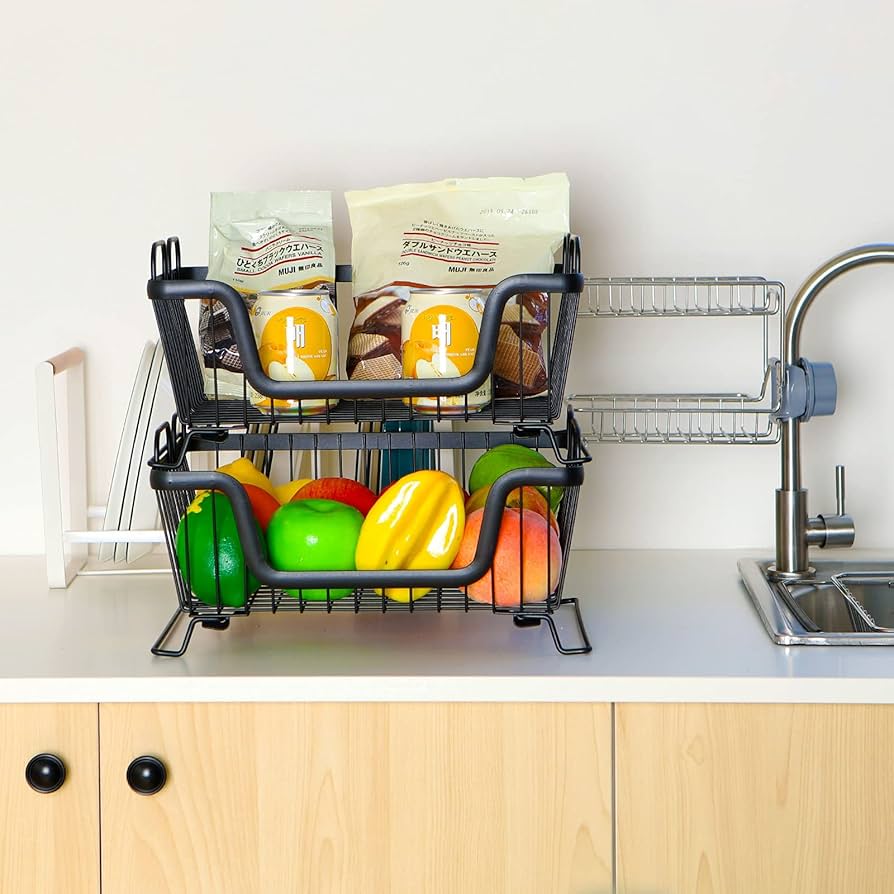
Deep pantry shelves make it hard to see items tucked in the back. Pull-out or stackable wire baskets turn dark shelves into functional drawers.
Use open-mesh baskets to store potatoes, onions, wrapped snacks, or baking supplies. The open wire structure keeps air circulating around produce while keeping contents visible.
10. Consolidate Your Tea and Coffee Supplies
If coffee pods are in one cupboard, mugs in another, and spoons across the room, your morning routine takes twice as long as it should.
Set up a dedicated hot drink station. Place your coffee maker, mugs, sweeteners, and stirrers together on one clean counter section or a single pantry shelf.
Helpful Storage Upgrades Compared
| Product Name | Primary Benefit | Recommended Rating | Estimated Price Range |
|---|---|---|---|
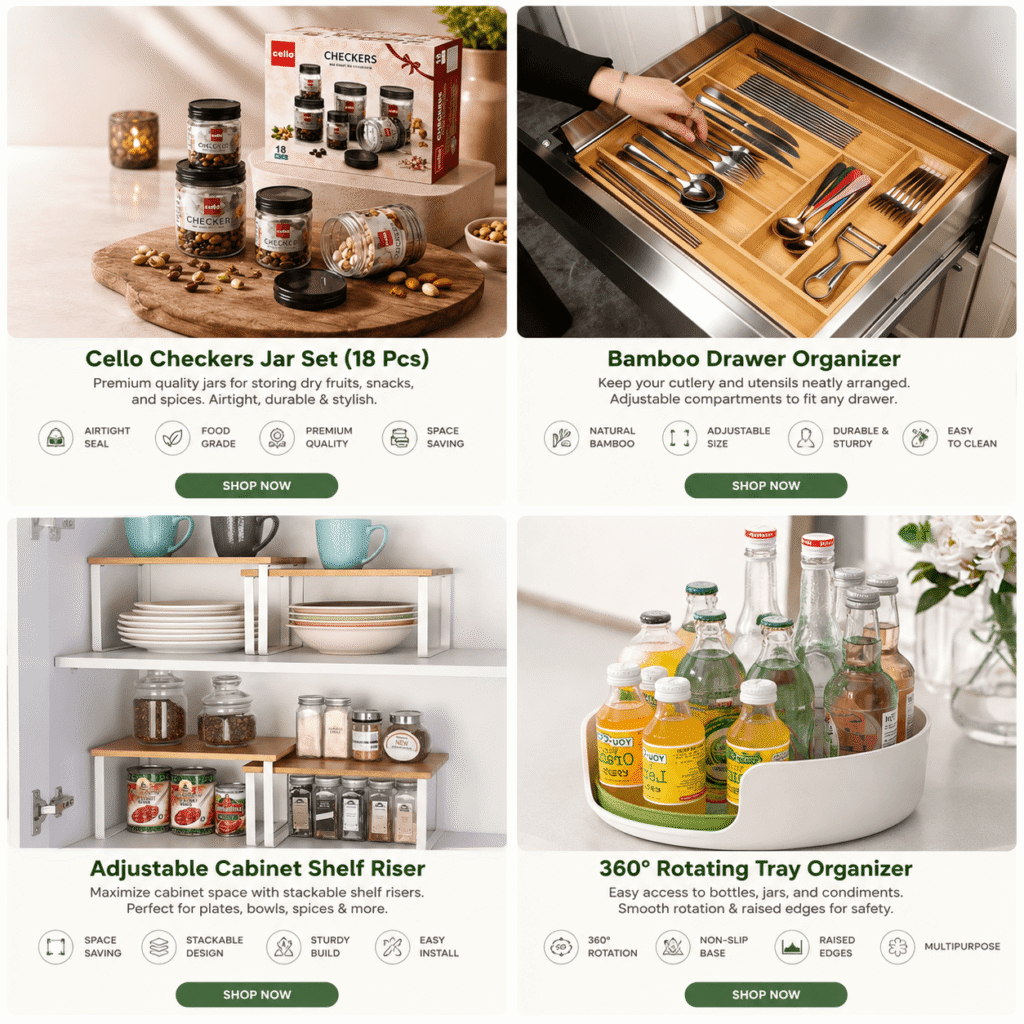
| Airtight Food Storage Containers | Keeps dry goods fresh and visible | 4.3 ★ (1,253) | ₹999 |
| Expandable Drawer Organizer | Keeps cutlery and tools neatly separated | 4.5 ★ (100) | ₹10,181 |
| Rotating Lazy Susan | Prevents items from getting lost in deep corners | 4.6 ★ (140) | ₹599 |
| Cabinet Shelf Risers | Maximize unused vertical space instantly | 4.0 ★ (32) | ₹999 |
| Stackable Wire Storage Baskets | Great for vegetables, snacks, or cleaning supplies | 4.5 ★ (800) | ₹3,830 |
(Note: Specific prices and ratings vary by brand and retailer. Check your preferred retailer for current product specifications.)
Planning Before You Buy
Before ordering storage bins, take precise measurements of your space. Measure the width, depth, and height of your cabinets, taking door hinges into account.
If you are planning to update your home beyond the kitchen, review this pantry decluttering and home organization guide for step-by-step layout strategies.
Choose durable materials like metal, thick glass, or sturdy BPA-free plastic. Flexible thin plastics bow under heavy loads like canned goods. Focus on buying organizers that solve specific frustrations rather than large sets that fill up space needlessly.
Common Organization Mistakes
- Skipping measurements: Buying bins before checking cabinet depth leads to doors that won’t close fully.
- Keeping original bulk packaging: Cardboard boxes waste valuable shelf space and trap air around food.
- Organizing before decluttering: Putting unneeded items into pretty containers simply hides clutter instead of removing it.
- Overloading soft-close drawers: Heavy stacks of cast-iron pans strain drawer slides and shorten their lifespan.
Step-by-Step Cabinet Setup
- Empty the area completely: Take everything out of one targeted cabinet or drawer.
- Sort and purge: Throw away expired items and set aside duplicate tools for donation.
- Clean thoroughly: Wipe down shelves and dry them completely before putting items back.
- Group by category: Keep baking supplies together, place spices in one spot, and group dinnerware together.
- Install organizers: Place risers, dividers, or turntables into position.
- Restock intentionally: Store daily items at eye level and place rarely used party platters on higher shelves.
Routine Maintenance Guidelines
To keep your kitchen clean, establish simple routines:
- Monthly check: Wipe outer container lids and sweep out crumbs from drawer organizers.
- Quarterly review: Check pantry items for upcoming expiration dates and donate unused pantry items.
- Daily habit: Clear counters before bed and put cooking tools back into assigned spots immediately after washing.
Basic Kitchen Safety Tips
- Keep sharp chef knives in a dedicated wooden block, on a wall-mounted magnetic strip, or inside sheath-protected drawer inserts.
- Store household cleaning sprays on low shelves away from food storage areas. For more details on safe home chemical storage, check the U.S. EPA guidelines on household chemical safety.
- Keep heavy appliances like stand mixers or food processors on waist-height counters to avoid back strain when lifting them.
FAQ
What is the most effective way to organize a small kitchen?
Focus on vertical room. Install shelf risers inside cabinets, hang adhesive hooks on unused door interiors, and stack clear containers in pantry cupboards to make the most of limited square footage.
Are specialized kitchen organizers worth buying?
Organizers are worth it if they solve a specific problem, such as unstacking heavy plates or finding small spice jars. Measure your space first so you only purchase pieces that fit your cabinet dimensions.
How often should a kitchen be decluttered?
A quick decluttering every three months works best. This timeframe lets you catch expired pantry goods and clear out unused gadgets before chaos builds up.
Which kitchen organizer should I buy first?
Start with basic drawer dividers and clear pantry containers. These two additions deliver the biggest immediate reduction in daily cooking frustration.
How do I stop counter clutter from returning?
Assign every item a permanent shelf or drawer location. Keep only daily appliances on the counter and put everything else away immediately after cleaning.