Disclosure: As an Amazon Associate, I earn from qualifying purchases.
We Knocked Down a Wall and It Changed Everything: Real Talk on Open Kitchen Design
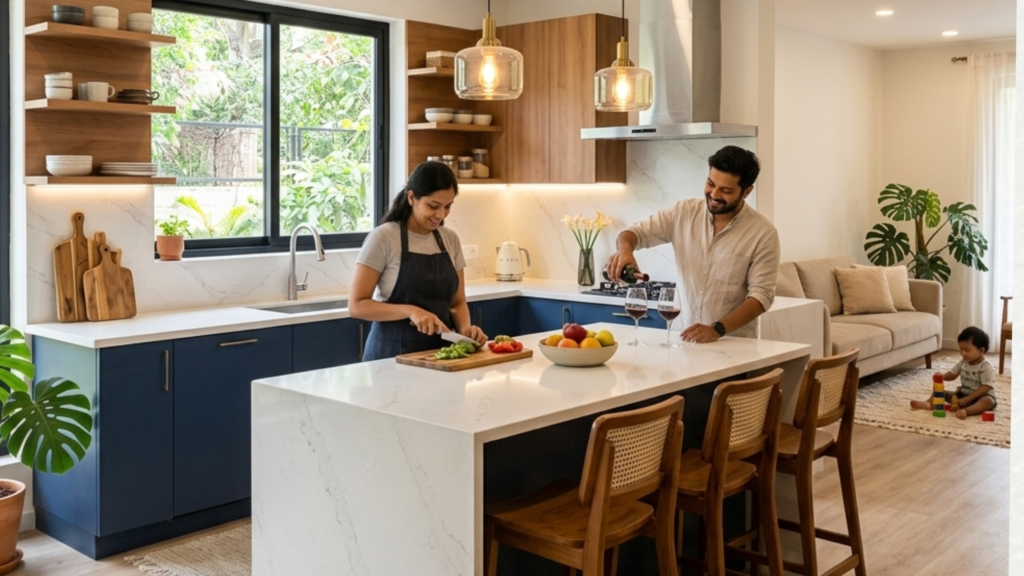
As you may have guessed, last year was the time when we spent hours and hours of our lives standing in our tiny galley kitchen staring at a wall between the living room and us. Each time we hosted an event, it seemed as if all our friends were having a blast in one room, while I was in charge of cooking our pasta meals and not sharing their fun in any way.
So, we decided to take a huge step that seemed quite scary back then and hired someone to demolish a non-load-bearing wall dividing our kitchen from the living room.
It turned out that it became the smartest decision in our house’s history—at least, it became one of the most beneficial but sometimes frustrating ones at once. There was plenty of advice that should have been given to me prior to this change.
First of all, it turns out we didn’t quite grasp the emotional weight of the task. Our house is an old building from the ’60s, which means our drywall has been up much longer than we’ve been around. The funny thing is, our contractor laughed at us because we stood there debating whether or not to give him the okay for such a long time before he was able to dig into things. But the very minute the first scrap of drywall was pulled down, and real light came pouring into the room from the living room, our minds were made up
Table of Contents
ToggleWhy Open Kitchen Design Is Still Dominating
Indeed, there is an excellent reason why open concept kitchens have been taking over our homes for almost two decades now, and there is no doubt that they will stay. This trend did not come out of nowhere – simply put, our lifestyles have changed dramatically.
What’s interesting, people tend to multitask more nowadays – help their children with homework while cooking at the same time, make a grilled cheese sandwich during a short pause on an important phone conversation, entertain guests without locking themselves in a kitchen for 45 minutes in a row.
Closed kitchens worked perfectly well when people cooked just as a part of everyday chores that had to be done, but in today’s world, cooking became an inseparable part of people’s daily routine.
Speaking of the best designed open kitchens, they feature three essential things:
• First of all, they create visual links between the spaces
• Secondly, they deal with both noise and cooking odors effectively
• Last but not least, they seem perfectly natural and not accidentally combined
But the real shocker was not aesthetic-related at all, but rather, how much the design impacted the way we lived every day.
Prior to our redesign, my partner would wait for me to be done cooking before setting the table because there really wasn’t enough room in the old kitchen to accommodate two people at the same time.
These days? Well, we never leave each other’s sides.
While I’m at the stove cooking dinner, she stands at the counter mixing drinks for both of us, while the children do homework on the stools at the bar.
And in one fell swoop, our lives have shifted into having our kitchen as the true center of the household, and not just a room where meals were cooked up.
What “Open Design” Actually Means
However, one of the most common misconceptions associated with these pictures is that creating an open kitchen implies knocking down a wall.
Well, in reality, the real action does not even start until the drywall is removed.
A well-designed open layout is not just a question of putting everything into a single big room; it is about flow and proper zoning.
First of all, you should plan properly:
A Cooking Zone
A cooking zone that would allow you to prepare food without having to keep turning around the whole time to check what’s going on at home.
A Food Preparation Area
An area for preparing food that has enough working surfaces and is away from the walking path.
A Transition Zone
A transition zone—a nice island or a breakfast bar that will separate your cooking zone from the lounge without erecting a physical barrier between these zones.
Visual Unity
Visual unity of your materials, colors, and heights that makes this space feel consistent as a whole.
But when we went ahead and ripped our wall out ourselves, we innocently thought it would simply open everything up for us and make our kitchen seem huge.
And indeed, it had; but almost right away, we could see that two completely opposite design approaches were in fierce competition in front of our eyes.
We had our wooden kitchen on one hand, and a colder gray living room on the other.
It looked terrible.
In the end, we spent weeks trying to tie them together by installing uniform flooring, similar light fittings, and even repainting our kitchen cabinets to fit everything into the same color scheme.
Choosing the Right Layout for Your Open Kitchen
Generally speaking, open kitchen floor plans belong to certain types of layouts.
I assure you that determining which of them would fit your area before anything else would be done will help you avoid a lot of future frustration.
The L-Shape + Island Mix
Definitely the most successful type of an open kitchen today.
You create an “L” with your cabinetry and appliances running along two adjoining walls, adding the island right in the middle.
Your island is definitely the center point here – it divides your kitchen from your living room, but at the same time serves its social purposes:
• A place to drink a cup of coffee
• Sit on bar stools
• Cook something delicious
When it makes sense:
Medium to large square areas when you can leave at least four-foot wide walkways all around the island.
Single-Wall Kitchen with Peninsula
If your room is narrow or elongated in shape, then adding an island could become problematic in terms of taking up valuable floor space.
This is where a single-wall kitchen combined with a peninsula design will come in handy.
Where it actually works: For smaller apartments, tight spaces such as townhouses, or narrow open plan kitchens.
Galley to Open Plan Conversion
This is the method our designers used in their recent project.
In its essence, you have a standard galley-style kitchen, which comprises two parallel cabinets.
Next, one of them is demolished and replaced with a free-standing island or a large countertop.
The result is a functional design that retains its efficiency and creates a perfect view into the living room.
Where it actually works: Row house, bungalows, or old-fashioned kitchens where one wall could be demolished without any functional losses.
The Island: Do Not Underestimate It
But when it comes to one thing to splurge on in an open kitchen design, it should be the island.
And trust me on this one.
Our island can do everything possible.
• This is our prep area
• We place all our food for buffets during our gatherings
• Kids have breakfast at this island
• It’s where I drop my purse the second I enter the house
There are some smart things we did with the island, too:
• Duplex electrical outlets placed on both sides
• Pullout trash and recycling system installed beneath it
• Beautiful waterfall edge of white quartz
Lighting Is the Hidden Weapon That Nobody Budgets for
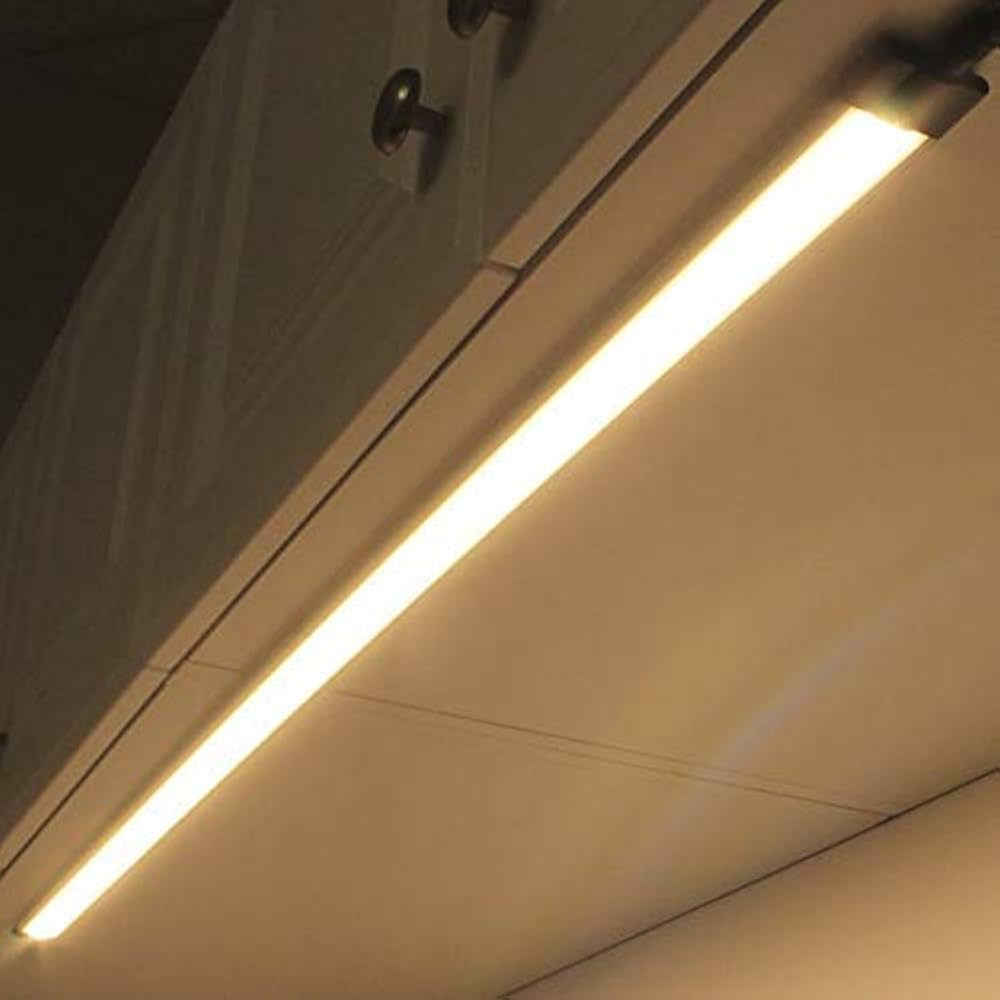
As far as mistakes made in the budgeting process, we definitely nearly depleted our budget when we reached the lighting stage.
This was definitely a huge mistake.
Lighting in an open concept kitchen includes:
• Task lighting
• Ambient lighting
• Accent lighting
These must all function together in relation to the time of day.
Recommended Lighting Setup
• Recessed lighting with dimmer switches
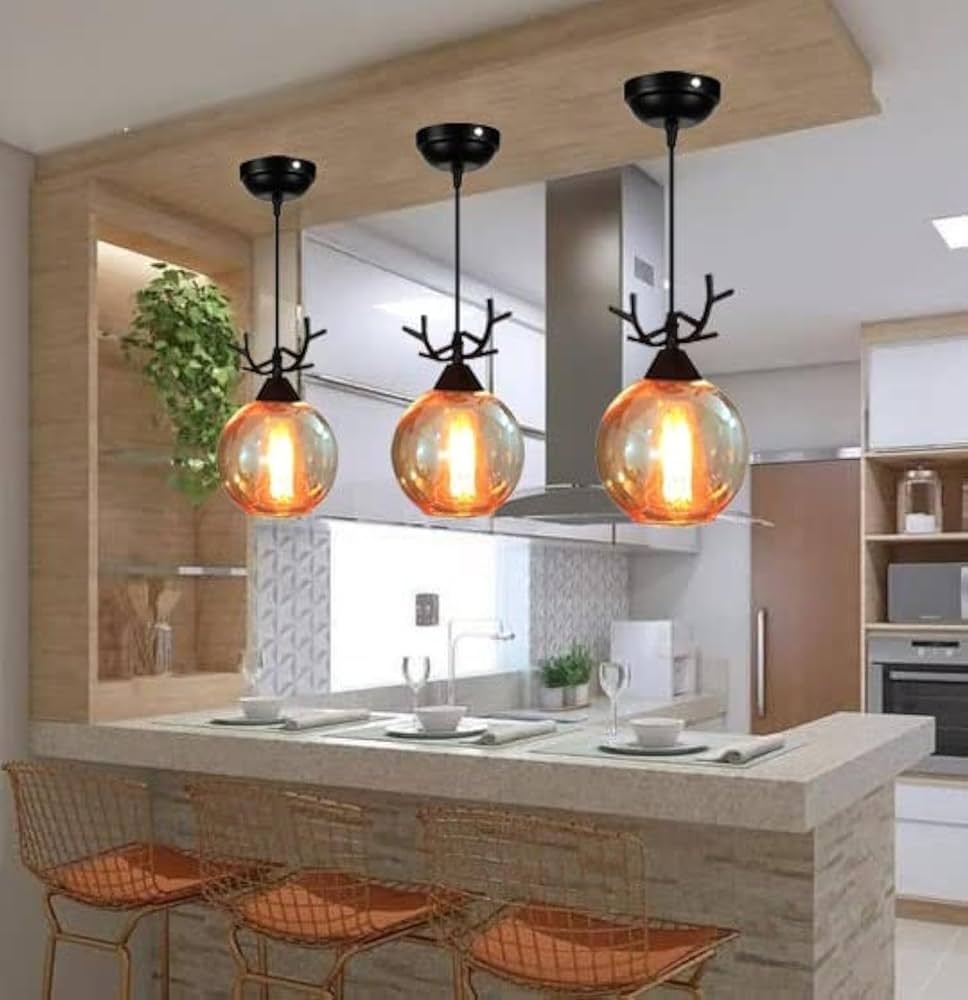
• Island pendant lighting
• Under-cabinet lighting
• Transition-zone decorative lighting
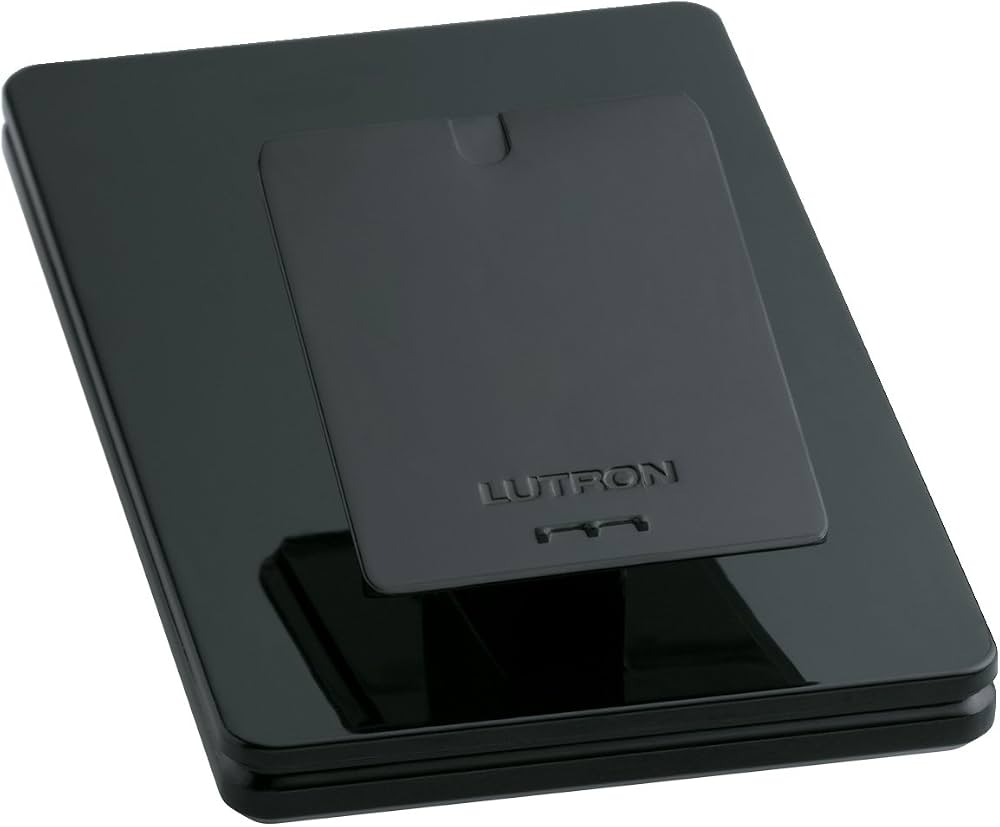
We installed Lutron Casetas for all our lights which is connected to Apple Home system.
Now I only have to say:
“Hey, it’s time for the movie”
And my lights will dim down while the kitchen lights will turn off automatically.
The Smell and Noise Reality Check
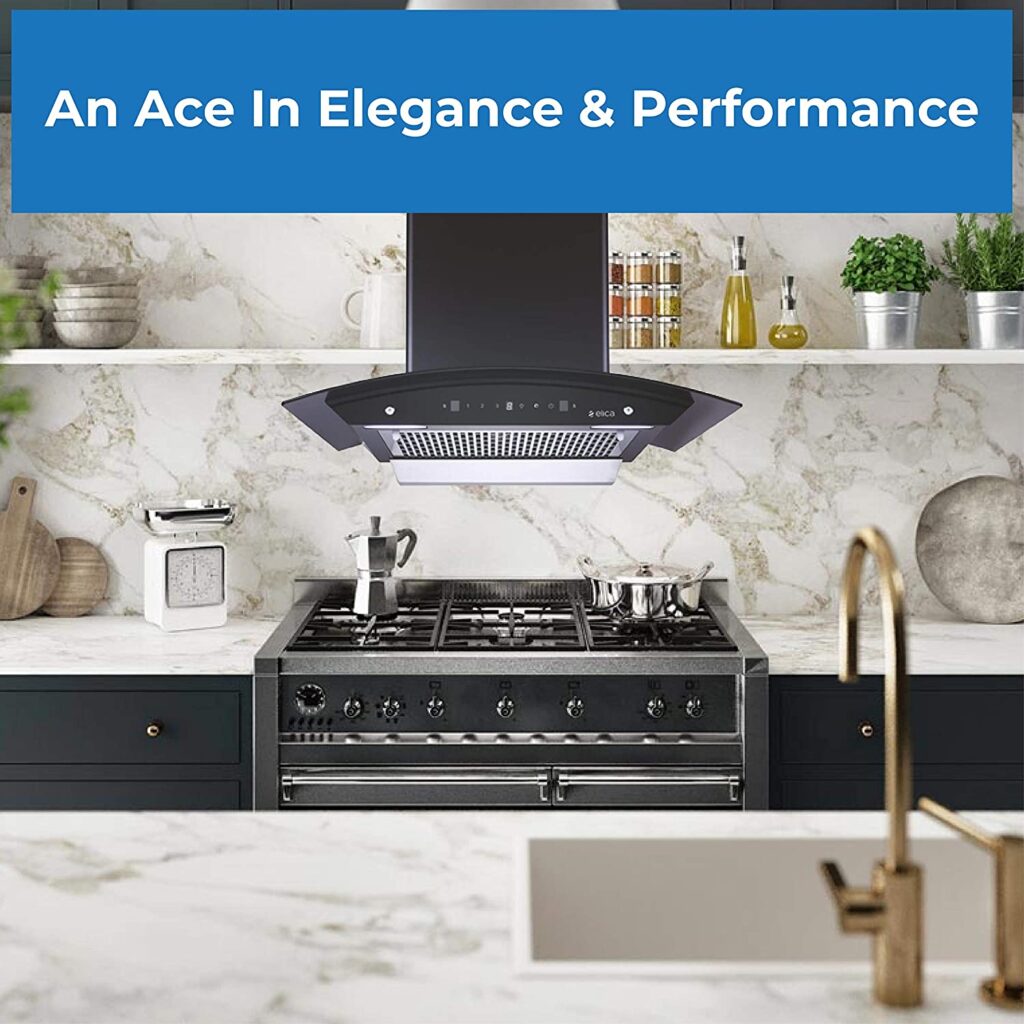
I absolutely love our open kitchen, make no mistake.
However, I must provide you with a very realistic reality check that does not come through in the design literature.
Smell
There will be nothing stopping any smells from getting anywhere else other than your kitchen.
Examples:
• Cooking fish
• Caramelizing onions
• Burnt toast
Your living room will definitely catch wind of it.
Noise
The sound of:
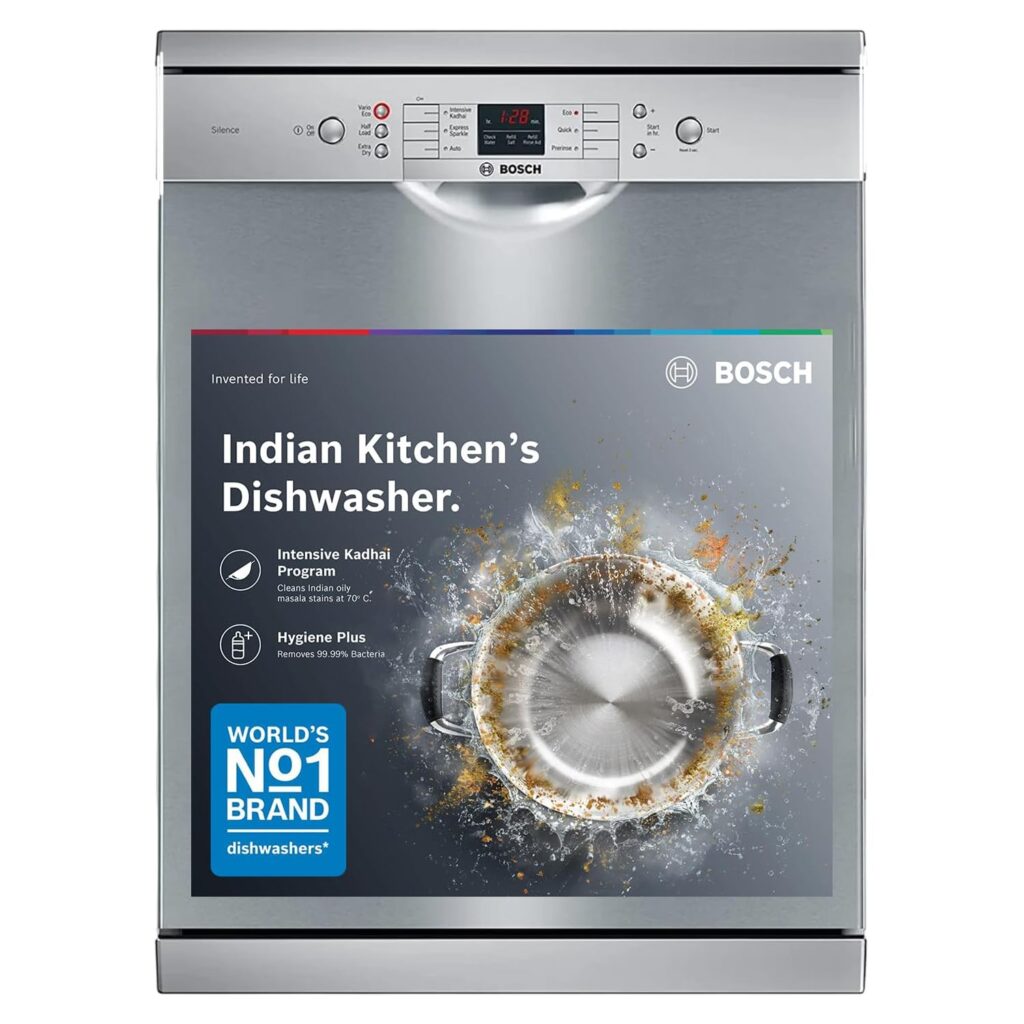
• Dishwasher
• Gas range ignition
• Food processor
• Refrigerator hum
Will all become part of the living room atmosphere.
Materials & Colors That Last Well

An open kitchen is something that you will see all the time.
Every fingerprint, every scratch, every grout line – all can be seen from your seat on the couch.
Countertops
Quartz is better than marble for everyday use
Marble looks good but requires maintenance
Quartz is stain-resistant
Cabinets
Matte finishes are more forgiving
High-gloss shows fingerprints
Flooring
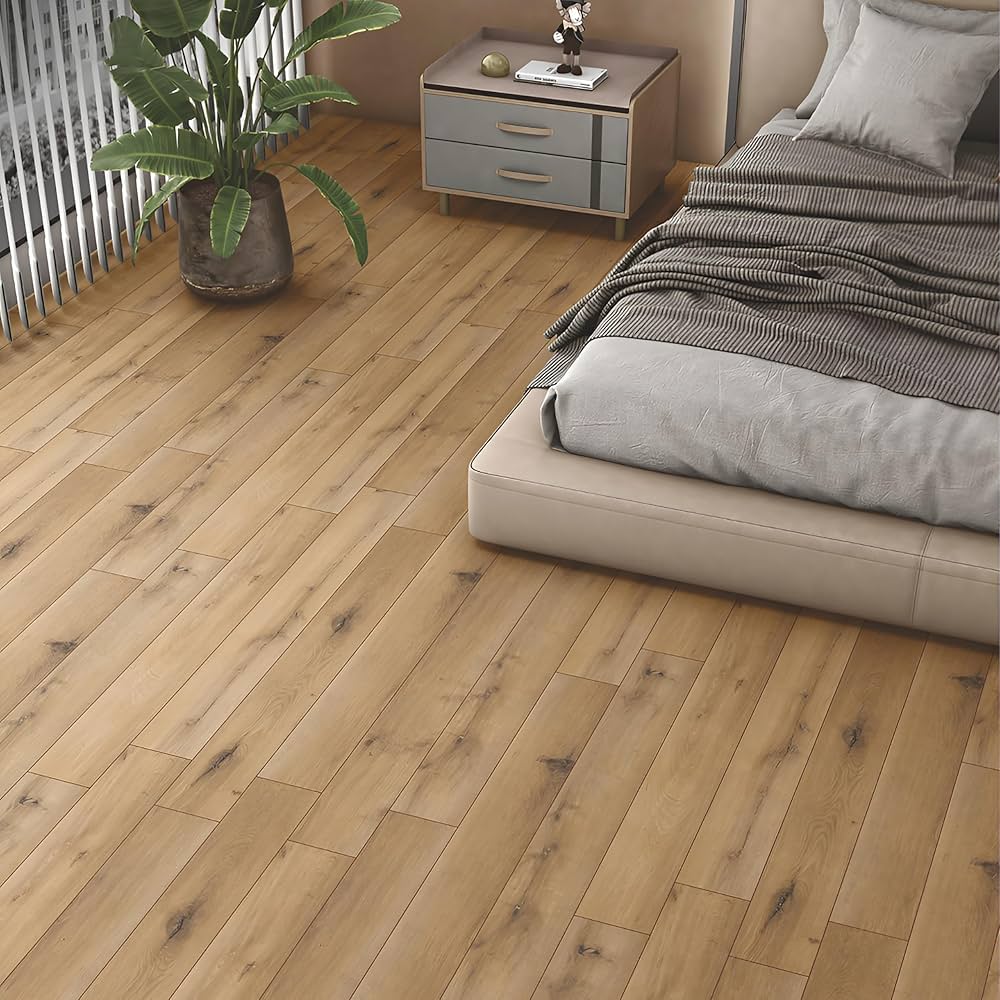
The best decision we have made is to extend the LVP (luxury vinyl plank) that we used in the living room straight to the kitchen without using any kind of transition strip.
This provides an excellent continuity to the whole area.
📊 Best Products for an Open Kitchen Design
| Product | Category | Best For | View |
|---|---|---|---|
| Avior Hanging Pendant Light | Kitchen Lighting | Kitchen Island & Dining Area | View |
| Wipro Garnet LED Cabinet Light | Under Cabinet Lighting | Task Lighting & Kitchen Shelves | View |
| Elica Filterless AutoClean Chimney | Ventilation | Smoke & Odor Removal | View |
| Happi Planet Kitchen Cleaner | Kitchen Maintenance | Countertops, Cabinets & Chimneys | View |
| Plantex SPC Interlocking Flooring | Kitchen Flooring | Open Concept Floor Design | View |
| Bosch Free Standing Dishwasher | Kitchen Appliance | Quiet Cleaning Performance | View |
| Lutron Caseta Smart Lighting Control | Smart Home | Smart Kitchen Lighting Automation | View |
Mistakes to Be Aware Of (Some Hard-Learned Lessons)
Don’t Forget the Kitchen Triangle
The triangle between:
• Refrigerator
• Stove
• Sink
Should still be functional.
Don’t Overlook Pantry Space
The open kitchen will leave you with fewer upper cabinets because of the lack of walls.
Don’t Forget Electricity Needs
Islands need outlets.
Don’t Choose Open Shelving Everywhere
It may look incredible in interior images, but in practice the items on the shelves will never be entirely clean and neatly placed.
Don’t Forget Cleaning
An open kitchen requires continuous cleaning because guests can observe every inch of your kitchen from anywhere in the apartment.
Sources for Inspirational Ideas That Are Not All Pictures
Houzz
Browse by:
• Kitchen size
• Layout
• Style
IKEA Kitchen Planner
A free browser-based modeling program.
YouTube
Great for real-world kitchen inspiration.
Internal link
Kitchen Accessories Online Shopping: The Smart Buys That Actually Made My Kitchen Better
Future Technology for Homes: Smart Upgrades That Will Change How We Live
Flower Home Decor: How I Used Flowers to Make My Home Feel More Alive
Conclusion from Someone Who Lived With It For Two Years Now
With two years now into an open kitchen, here’s the honest review:
• I wouldn’t hesitate to do it again.
We cook more, we entertain better and we live in a space that seems larger despite not really being any larger.
However, I would also do it with the understanding that opening up a kitchen is not for the faint of heart.
You are committing to:
• A lot of cleaning
• Good design throughout your entire ground floor
• Thoughtful choice of appliances
For those of you who are still unsure, my advice would be to start with the island.
Even in a partially opened up kitchen, installing or upgrading an island will give you a glimpse of the benefits of cooking in an open plan kitchen.
But two years down the line, what sticks out to me is that the remodeling project changed our feelings about staying at home.
Earlier, we did our own things in our respective rooms.
Now, it is simply us… together, naturally.
I am not arguing that a wide-open kitchen is going to solve some deep-rooted issues; all I am saying is that when there are no barriers to people gathering, they tend to do so more often.